
Active Water
Water is visibly escaping from a pipe, fitting, wall, ceiling, or cabinet.
Water spreading fast? Hear a leak behind the wall? Seeing stains, damp flooring, or a sudden drop in water pressure? Don’t wait for a small pipe problem to turn into a much bigger repair.
Explain the problem and your Norwalk service address. Ask the provider about inspection fees, scheduling, and repair options before approving work.
Active leak? Turn off the main water supply if safe. Stay away from wet electrical equipment.
Consumer connection service. Independent providers perform the work; availability varies.
A plumbing problem does not always begin with water pouring across the floor. These are common clues worth taking seriously.
Water is visibly escaping from a pipe, fitting, wall, ceiling, or cabinet.
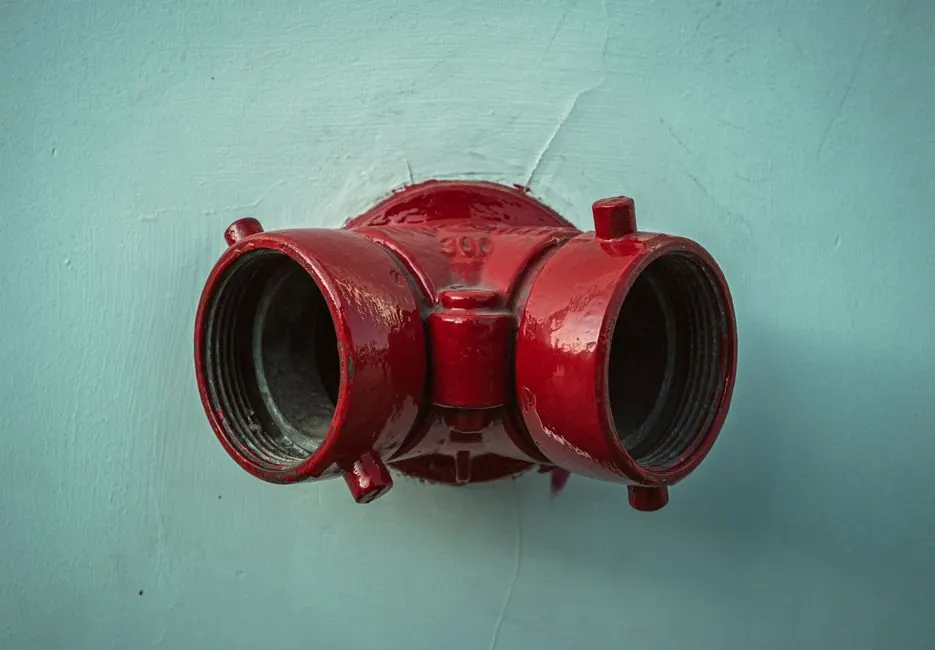
A new stain or soft spot can point to moisture moving above the visible surface.
Wet drywall, bubbling paint, or a damp patch can be a hidden-leak clue.
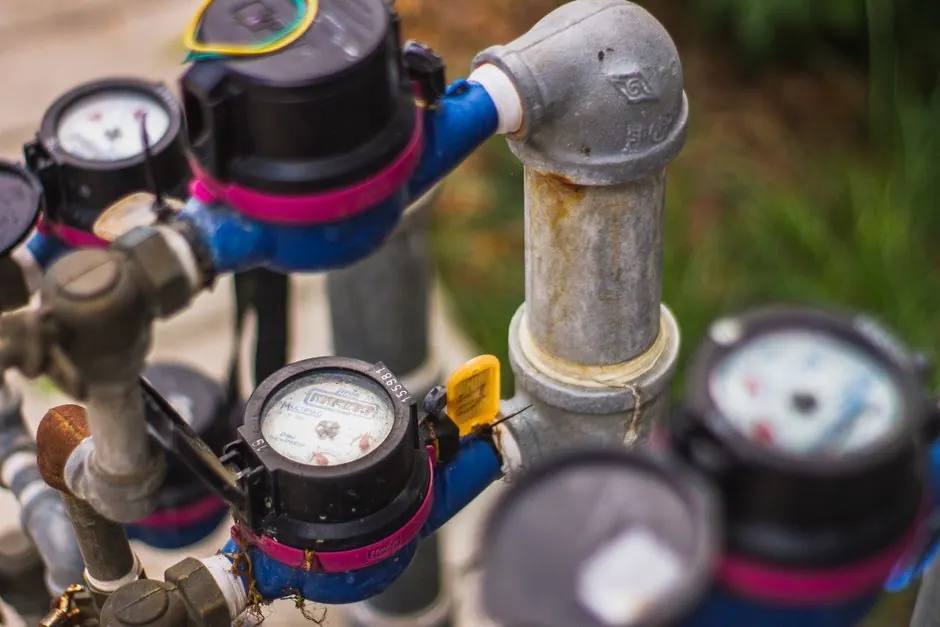
A sudden change in water pressure can accompany a supply-line problem.
Persistent damp odors may mean moisture is collecting out of sight.
An unexplained warm or damp floor can be one clue associated with a slab-area leak.
Unexpected water use can be worth investigating when no fixture explains it.
More than one failure can justify checking pressure, corrosion, and overall pipe condition.
Choose a location for general guidance. This guide cannot diagnose a leak or confirm its source.
If water is actively escaping, turn off the main supply if safe. Stay away from wet electrical equipment.
Call (562) 636-0528Connect with an independent plumbing professional. Provider availability varies.
Water can soak into walls and ceilings, leaving stains, soft spots, peeling paint, or damaged finishes.
Water that gets underneath flooring can affect wood, laminate, carpet, tile backing, and the material below.
A leak behind a wall, under a cabinet, or beneath flooring may keep spreading even when the visible water looks minor.
Damp areas can leave behind discoloration, unpleasant odors, and signs that water has been sitting where it should not be.
Baseboards, cabinets, trim, and nearby belongings may all be affected if water continues moving through the area.
The longer a leak continues, the more likely a small pipe failure becomes a larger cleanup and repair problem.
When water is coming from a broken pipe, the first few minutes are about stopping more water from entering the damaged area. If you can safely reach your main shutoff valve, turn the water off. Keep away from electrical outlets, appliances, wiring, or panels if water has reached those areas. Move rugs, electronics, boxes, furniture, and other belongings away from the wet area when it is safe. Once the immediate flow is under control, call for plumbing help. A local plumbing professional can identify where the failure happened, whether the damaged section can be repaired, and whether there are signs of a larger piping problem.
Older plumbing may include galvanized steel, copper, cast iron, or a mix of newer and older materials from past repairs. As piping ages, corrosion, wear, weakened fittings, and previous repairs can all increase the chance of a leak.
Too much pressure can place constant stress on fittings, valves, supply lines, and joints. If a home has repeated leaks in different places, pressure is one of the things worth checking.
Mineral deposits and internal corrosion can slowly reduce flow, weaken pipe walls, and contribute to pinhole leaks or deterioration around fittings.
A pipe itself may be fine while a connector, valve, elbow, braided line, or joint fails first.
Pipes beneath concrete or underground can develop leaks that are harder to see. Sometimes the first clues are a higher water bill, warm flooring, damp areas, or the sound of water when nothing is running.
Remodeling, drilling, impact, or work near concealed plumbing can damage a water line and create a sudden leak.

For burst, split, cracked, or actively leaking water lines that need prompt attention. Learn more →
For urgent plumbing problems such as major leaks, sudden loss of water, overflowing fixtures, or other time-sensitive issues. Learn more →
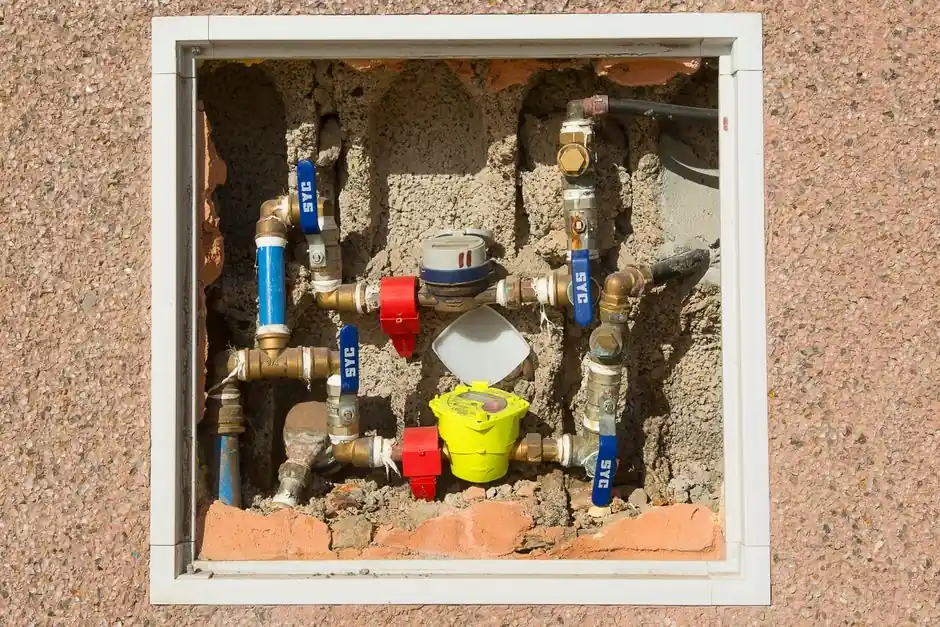
For visible or concealed leaks in residential water lines, connections, fittings, and common pipe materials. Learn more →
For leaks behind walls, under floors, around fixtures, or anywhere the source of the water is not obvious. Learn more →
For suspected leaks beneath concrete slabs or under-floor plumbing where water may be escaping out of sight. Learn more →
A single damaged section can often be repaired when the rest of the pipe appears to be in reasonable condition. But repeated leaks tell a different story. If several failures have happened in different areas, the pipe material is badly corroded, or the system has a history of recurring problems, a larger replacement may be worth discussing. The goal should be to fix the problem in front of you without ignoring what the rest of the system may be telling you.
High pressure can put extra strain on joints, fittings, supply lines, fixtures, and valves every day. If a home has repeated leaks, checking system pressure can help reveal whether pressure is part of the pattern.
A water stain, damp drywall, bubbling paint, musty smell, reduced pressure, or the sound of water behind a wall can point to a hidden leak. An unexplained increase in water use can be another clue.
Yes. Possible warning signs include warm spots on the floor, damp areas near baseboards, running-water sounds, lower pressure, or water usage that suddenly rises for no clear reason.
Call and explain what you are seeing or hearing—active water, a burst pipe, a ceiling stain, low pressure, damp flooring, or a leak you cannot locate.
Your call can be connected with an independent plumbing professional serving Norwalk, depending on provider availability.
The plumbing professional can inspect the affected area, identify the likely source, and explain available repair options.
Ask about the repair, materials, pricing, licensing, and whether the problem appears isolated or part of a larger issue.
After the repair, the affected plumbing should be tested to confirm the leak has stopped and the system is operating properly.
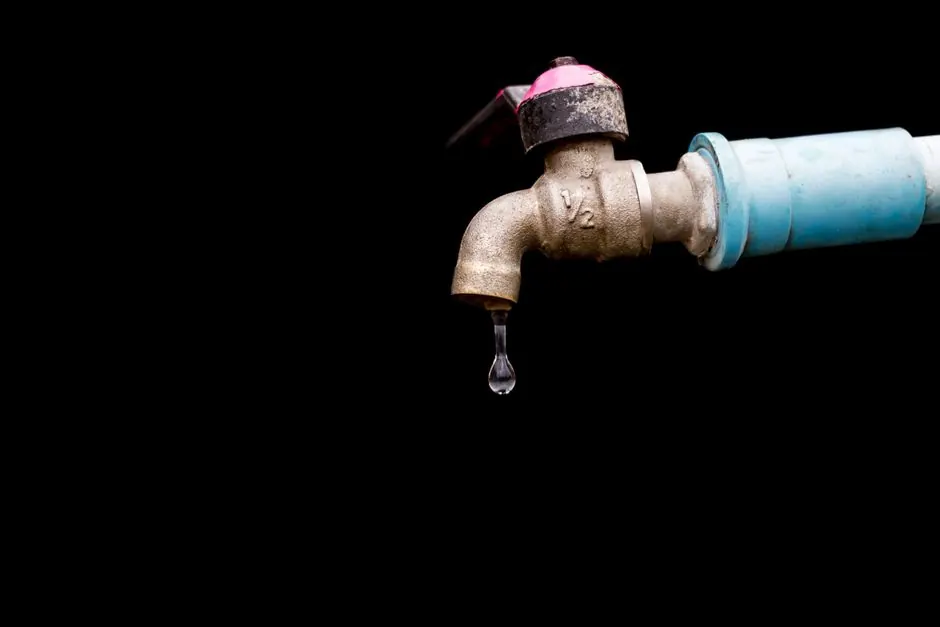
Burst pipe and leak help for properties in and around Studebaker. Area details →
Local plumbing connection help for Carmenita and nearby streets. Area details →
Burst pipe, leak, and emergency plumbing help for Norwalk Manor. Area details →
Straight answers to common questions from Norwalk homeowners.
If you can safely reach the main shutoff valve, turn off the water first. Keep away from electrical hazards, move belongings away from the wet area when safe, and arrange plumbing help as soon as possible.
Look for a plumbing professional who handles active leaks, burst pipes, and emergency pipe repair. This website helps connect callers with independent service providers serving Norwalk.
A localized break may only require a section repair. Repeated leaks, widespread corrosion, or multiple weak areas may indicate that a larger replacement should be considered.
It can. High pressure places more stress on pipe joints, valves, connectors, and fixtures. If leaks keep happening, checking water pressure may help identify an underlying cause.
Common signs include water stains, damp drywall, bubbling paint, musty odors, unexplained water use, or the sound of running water when fixtures are off.
Yes. Pipes beneath a slab can develop leaks that are difficult to see. Warm flooring, damp areas, unusual water usage, or running-water sounds may be warning signs.
Repiping may be worth discussing when leaks keep returning, several areas show deterioration, or aging pipe material is failing in more than one place.
If you can safely access the shutoff valve, turning off the water can help reduce additional water loss while you arrange plumbing assistance.
Describe the leak and confirm your Norwalk service address. This website helps connect callers with independent plumbing providers; it does not perform the repair. Ask the provider about availability, diagnostic fees, licensing, insurance, and the written scope before authorizing work. Plumbing access, drying, and finish restoration may be separate charges.
CALIFORNIA HOMEOWNER CHECK
This website connects consumers with independent providers; it does not perform plumbing work itself. Before approving work, confirm who will perform the job, ask for the contractor license number when licensing is required, and verify the license status directly with the California Contractors State License Board (CSLB).
Use the official CSLB license lookup to verify that the contractor information and license status match the company or individual who will perform the work.
For non-immediate work, compare written bids on the same scope and ask what is included: access, pipe material, wall or slab opening, cleanup, restoration, permits, and warranty terms.
Ask the independent provider about licensing, insurance, permits, pricing, workmanship, and warranties before authorizing service. Those obligations belong to the provider you hire.
Official consumer guidance: CSLB — Finding the Right Contractor.
If water is already spreading, waiting usually does not make the problem easier. Get the flow under control if you can, protect the area around the leak, and get local plumbing help moving.
Call (562) 636-0528 →This website is a consumer connection service and does not directly perform plumbing work. Independent contractors and service providers are responsible for their own licensing, insurance, estimates, pricing, scheduling, workmanship, warranties, and services. Consumers should independently verify the contractor’s license, insurance, qualifications, pricing, and terms before authorizing work. Service availability and response times vary by location, provider availability, and call volume.