Burst Pipe Repair
Start with the main burst-pipe page for first steps, repair-vs-replace guidance, and local service information. Burst pipe help →
A pipe leak does not have to look dramatic to cause damage. A pinhole leak behind a wall, a slow drip at a fitting, or a damp spot under flooring can continue for days before the source becomes obvious. Call to get connected with local plumbing help in Norwalk.
Connect with an independent provider serving Norwalk. Availability and fees vary; confirm the scope and estimate before authorizing work.
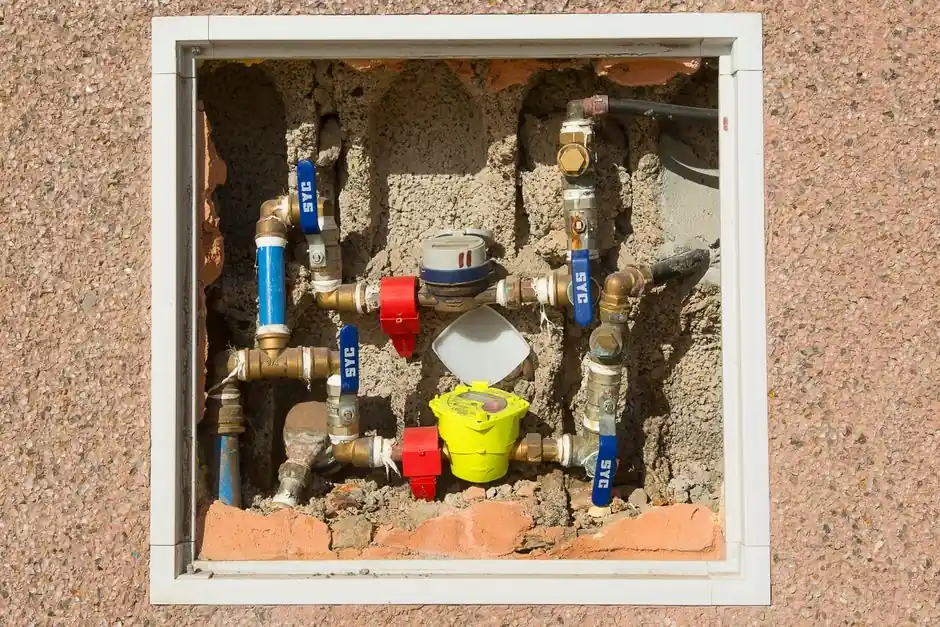
Visible leaks are easier to spot, but hidden leaks often do more damage before they are found. Stains, soft drywall, musty odors, warm floor areas, reduced pressure, or unexpected water use can all point to a concealed problem.
Leaks often begin at fittings, elbows, valves, fixture supply lines, corroded sections, or previous repair points. Pipes inside walls, ceilings, and floors can also fail where movement or long-term wear has stressed the line.
A small leak can keep feeding moisture into building materials long after the first stain appears. Early repair can help limit the area affected and reduce the chance that a simple pipe problem becomes a larger cleanup.
The best repair starts with finding where the water is actually coming from. Water can travel along framing or piping before it becomes visible, so the wet spot is not always the failure point.
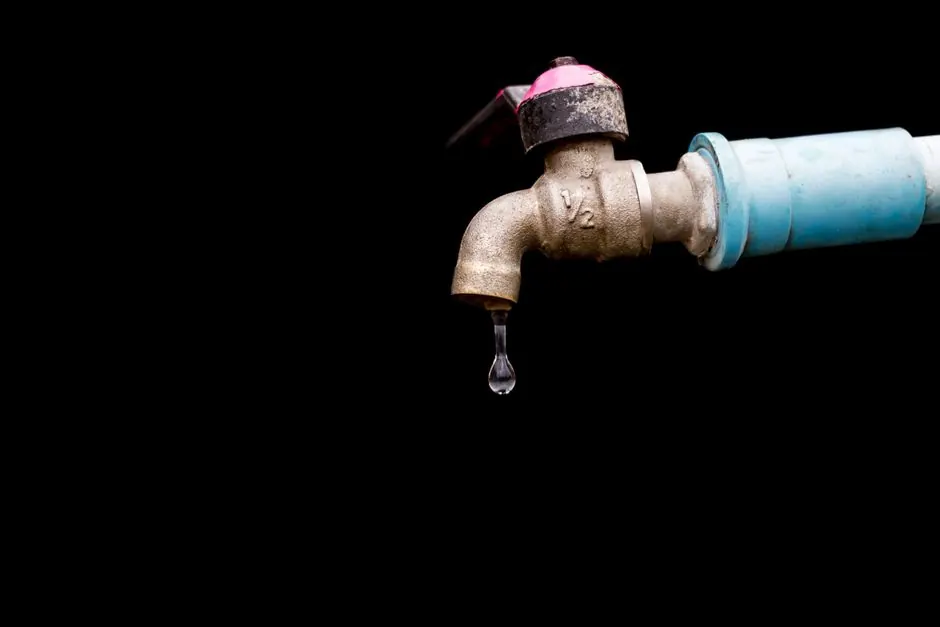
If leaks keep showing up in different locations, the pattern matters. Pipe age, material, pressure, corrosion, and past repairs may all influence whether continued spot repairs still make sense.
Start with the main burst-pipe page for first steps, repair-vs-replace guidance, and local service information. Burst pipe help →
If the source is not obvious, see the hidden-leak guidance. Leak detection →
If water may be under concrete or flooring, see the slab-leak page. Slab leak help →
Straight answers to common questions from Norwalk homeowners.
Look for water stains, bubbling paint, soft drywall, musty odors, running-water sounds, or unexplained water use.
Yes. Even a slow leak can keep wetting walls, cabinets, insulation, or flooring if it continues unnoticed.
High pressure can add stress to joints, valves, connectors, and supply lines, especially when other wear is already present.
Often the goal is to locate the source first and make the smallest practical access opening. The amount of access depends on the leak location and pipe layout.
If leaks keep returning, several sections are deteriorated, or the same material is failing in multiple places, a larger replacement may be worth discussing.
Describe the leak and confirm your Norwalk service address. This website helps connect callers with independent plumbing providers; it does not perform the repair. Ask the provider about availability, diagnostic fees, licensing, insurance, and the written scope before authorizing work. Plumbing access, drying, and finish restoration may be separate charges.
CALIFORNIA HOMEOWNER CHECK
This website connects consumers with independent providers; it does not perform plumbing work itself. Before approving work, confirm who will perform the job, ask for the contractor license number when licensing is required, and verify the license status directly with the California Contractors State License Board (CSLB).
Use the official CSLB license lookup to verify that the contractor information and license status match the company or individual who will perform the work.
For non-immediate work, compare written bids on the same scope and ask what is included: access, pipe material, wall or slab opening, cleanup, restoration, permits, and warranty terms.
Ask the independent provider about licensing, insurance, permits, pricing, workmanship, and warranties before authorizing service. Those obligations belong to the provider you hire.
Official consumer guidance: CSLB — Finding the Right Contractor.
Call to get connected with local plumbing help serving Norwalk. Availability depends on provider schedules and call volume.
Call (562) 636-0528 →