What to Do When a Pipe Bursts in Norwalk
A burst pipe turns a normal day into a fast-moving problem. The first goal is not to diagnose every detail. It is to stop new water from entering the damaged area, protect people from hazards, and get the failure evaluated.
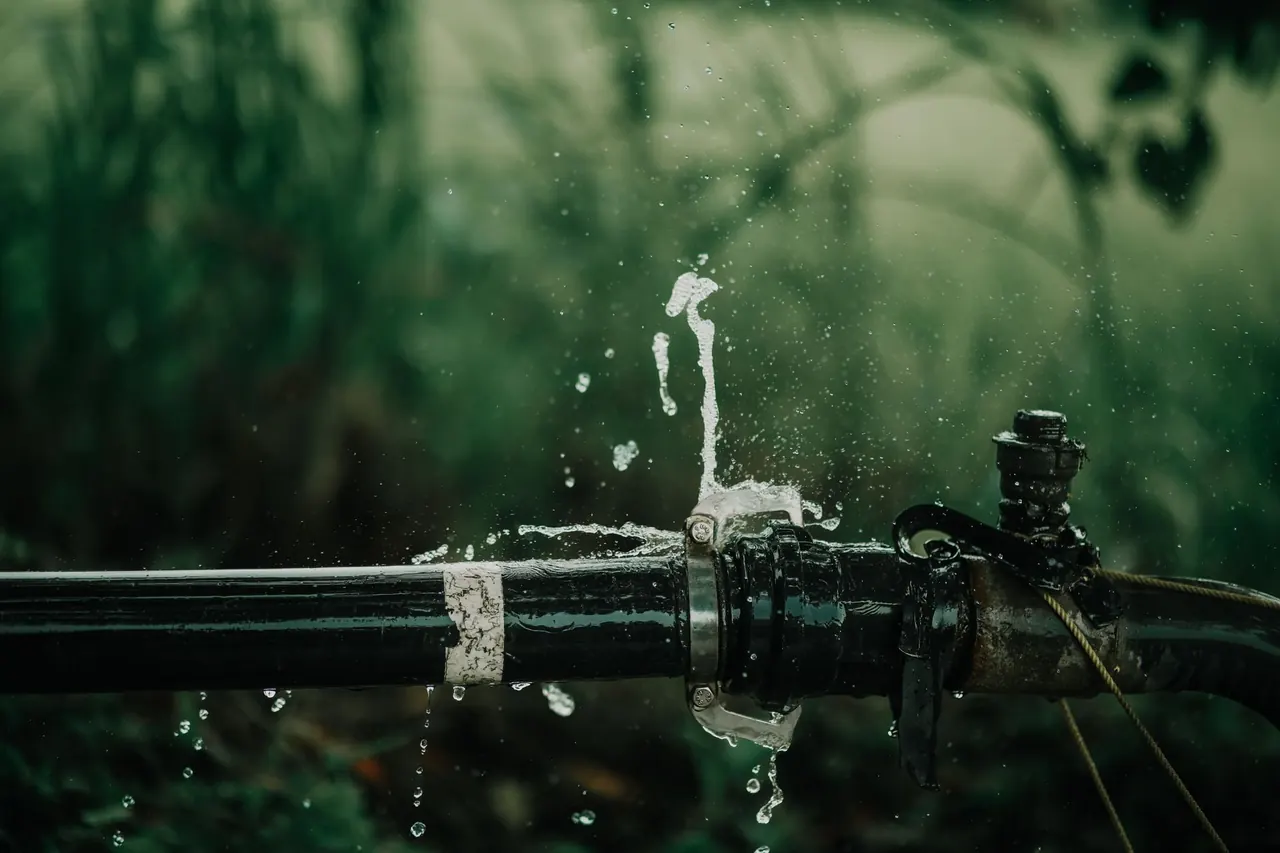
1. Shut off the water if you can do it safely
Use the main water shutoff when the source is unknown or the leak cannot be isolated. If a fixture-level valve clearly controls the failed line and works properly, that may be enough. Do not force a seized or damaged valve.
2. Stay clear of electrical hazards
Water near outlets, appliances, wiring, or an electrical panel changes the situation. Keep people away from the area and do not handle wet electrical equipment.
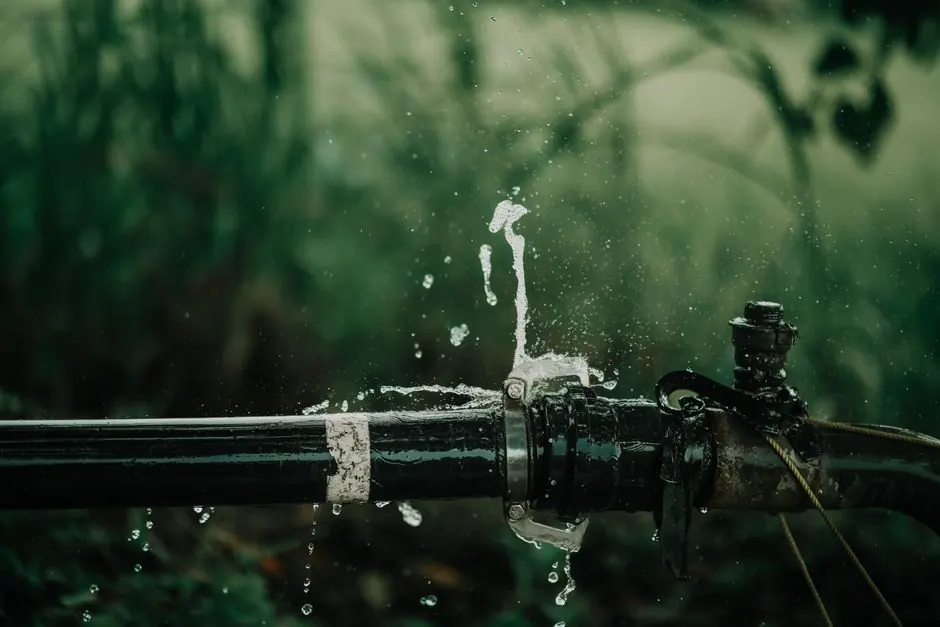
3. Move what you can out of the water’s path
Rugs, electronics, boxes, furniture, and stored belongings can often be moved before they soak through. Only do this where the area is safe to enter.
4. Relieve remaining pressure
After the main supply is closed, opening a faucet can help release water and pressure still in the lines. Some water may continue draining for a short time.
5. Do not assume the visible water marks the source
Water can run along framing, pipes, ceilings, and flooring before it appears. A stain in one room may be connected to a failure somewhere else.
6. Document the condition
Photos of the affected area, the failed fitting if visible, and the water path can help you remember what happened after cleanup begins. Keep safety first and do not enter a hazardous area just for a photo.
7. Get the plumbing failure evaluated
A plumber can determine whether the problem is a fitting, a short pipe section, a concealed line, or part of a broader system issue. Ask what failed and whether surrounding pipe condition changes the repair recommendation.
After the repair
Make sure the repaired line is tested, watch the area for any renewed moisture, and address wet materials separately from the plumbing repair. If several leaks have occurred, consider asking about pressure and overall pipe condition.
Protect the area after the water is off
Shutting off the supply stops new water from entering the plumbing, but water already inside walls, ceilings, cabinets, or flooring may continue to drain. Use towels, containers, or other safe methods to control what you can, and move furniture, rugs, electronics, documents, and other belongings away from the wet area.
If water has reached electrical outlets, fixtures, panels, or plugged-in equipment, keep your distance and treat the area as an electrical safety concern. Do not stand in water to unplug devices.
Give the plumber a clear description
When you call, explain whether the main water is off, where you first saw the water, whether it is coming through a wall or ceiling, and what fixtures are nearby. Mention any recent plumbing work, pressure changes, or previous leaks in the same area.
A short, specific description is more useful than simply saying “the pipe burst.” It helps the provider understand what tools, fittings, and diagnostic work may be needed.
After the pipe is repaired
Ask what failed, why it may have failed, and whether the surrounding piping was checked. If water reached building materials, the plumbing repair and the moisture cleanup may be separate issues. Drying the affected area properly is important even after the pipe itself is no longer leaking.
Keep photos and repair notes. If a similar leak appears later, that history can help determine whether the failures are related.
Do not turn the water back on too soon
After a repair, the system should be returned to service in a controlled way so the repaired area can be checked for leaks. If you shut the main valve yourself, do not reopen it just to test the pipe before the damaged section has been evaluated. Water can quickly refill a concealed area and undo the cleanup you have already started. Follow the plumber’s instructions for restoring service and watch the repaired area afterward.
Related Norwalk Plumbing Help
For repair options, see pipe leak repair in Norwalk. If you are dealing with an active leak, start with emergency pipe repair. If the source is hidden, see leak detection. For suspected piping beneath concrete, see slab leak repair.
Need Local Plumbing Help in Norwalk?
If water is actively escaping or you cannot locate the source, call to check current provider availability.
Call (562) 636-0528 →